History
The story of the course
Built on land with nearly three centuries of history, Mill Quarter was a family-run public course from 1974 until it closed in 2026.
Building the course
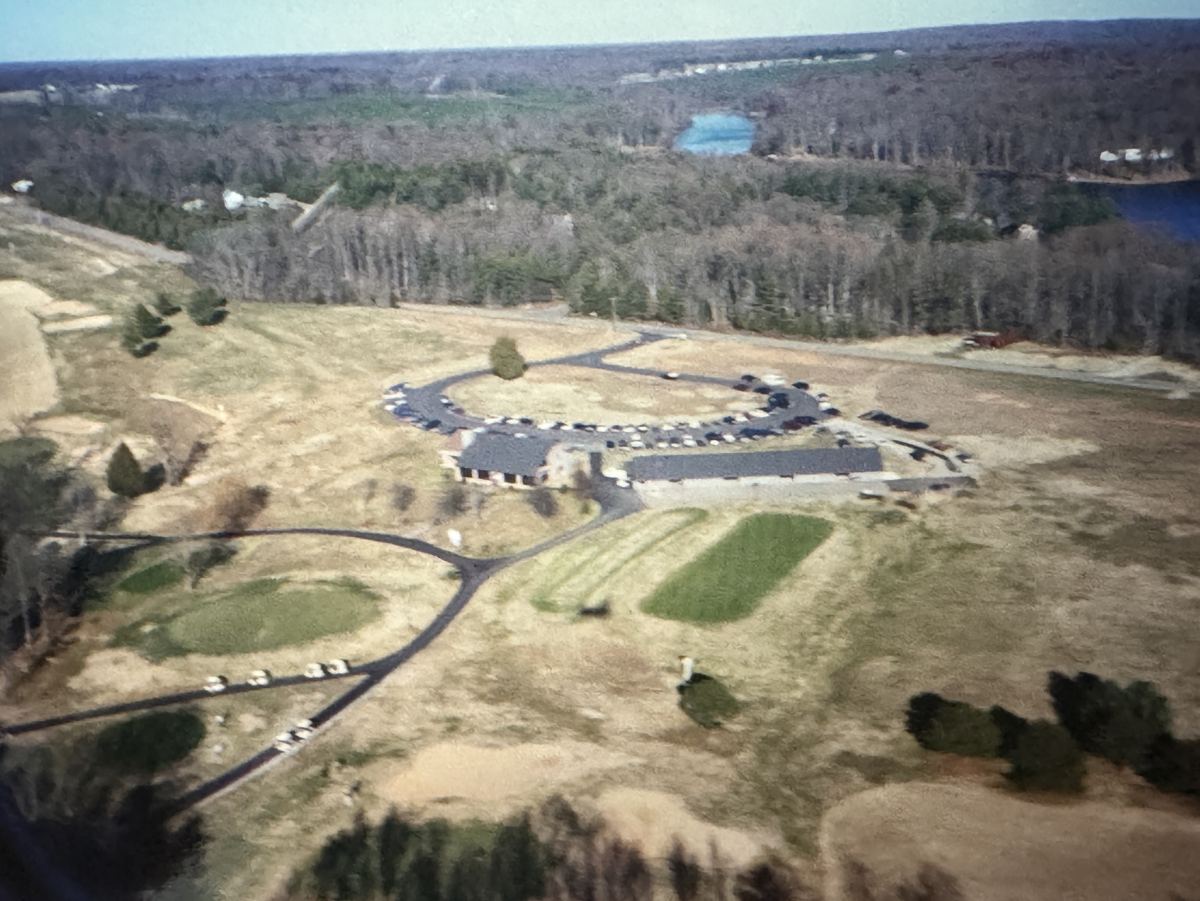
In the early 1970s, Richmond developer Irvin N. Blake set out to turn part of the old plantation into a golf and residential community. His company, Mill Quarter Plantation, Inc., brought in architect Edmund B. Ault to lay out an 18-hole championship course. The recession of the mid-1970s ended Blake’s larger plans.
In 1973, Dave Daniels and his best friend and business partner, Pat Carey, bought the property. The course opened in the fall of 1974, during the national gas shortage, and Dave’s father, Walter “Skip” Daniels, became its general manager.
Timeline
- 1724A royal land patent of roughly 7,000 acres goes to the Randolph family, including the land that will become Mill Quarter.
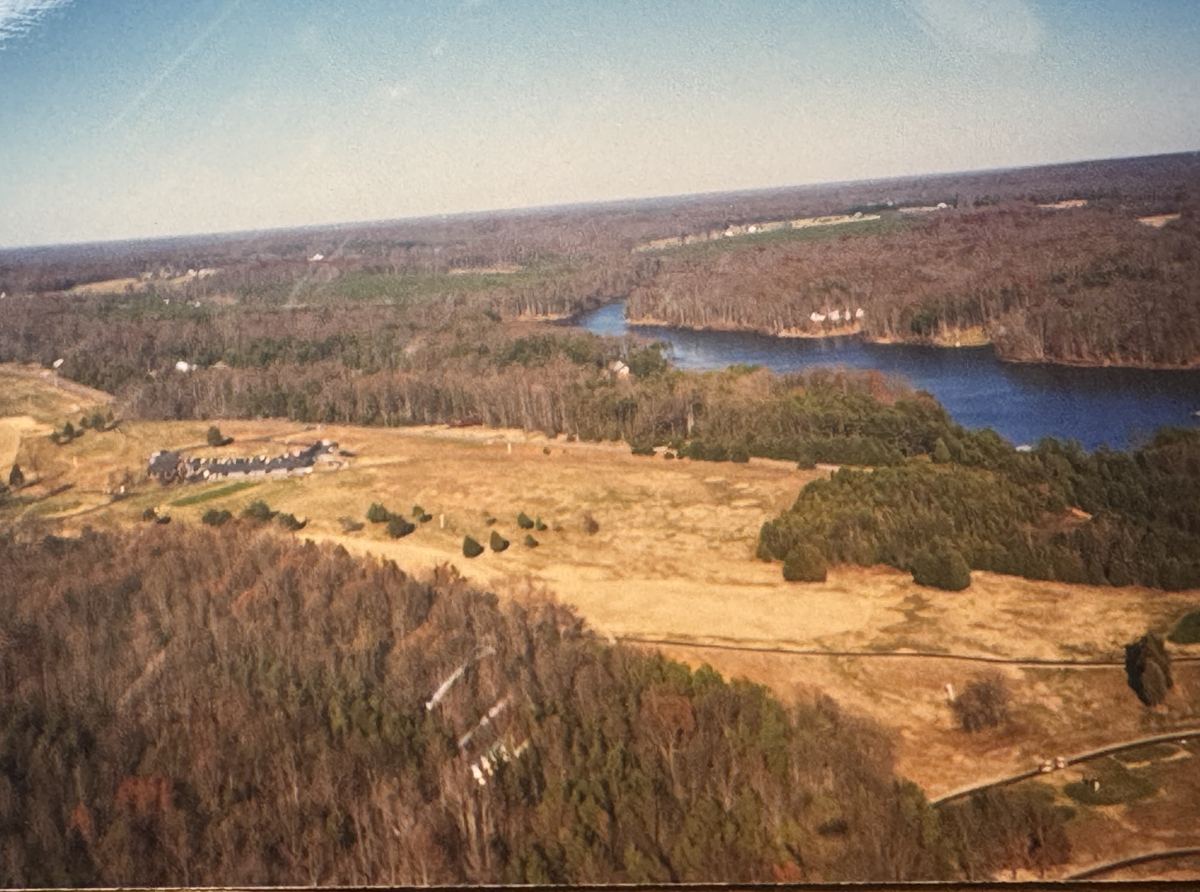
- Early 1970sEdmund Ault routes an 18-hole course through the old Randolph lands, and 90-acre Lake Randolph is built.
- 1973Dave Daniels and Pat Carey buy Mill Quarter.
- Fall 1974The course opens for play. Skip Daniels becomes general manager.
- Late 1970sMill Quarter becomes the first course in the Richmond area to switch to Bermuda-grass fairways, a full decade before anyone else in the region.
- 1983Dave, a VSGA sectional chairman, helps launch the VSGA Supporter Program. Mill Quarter becomes a mainstay of what later becomes the VSGA-VIP Golf Card.
- 1986The Mill Quarter Ladies Golf Association is formed.
- Late 1980sDavid Patrick Daniels becomes general manager, a role he holds for nearly forty years.
- 1996Skip Daniels passes away after 22 years as general manager.
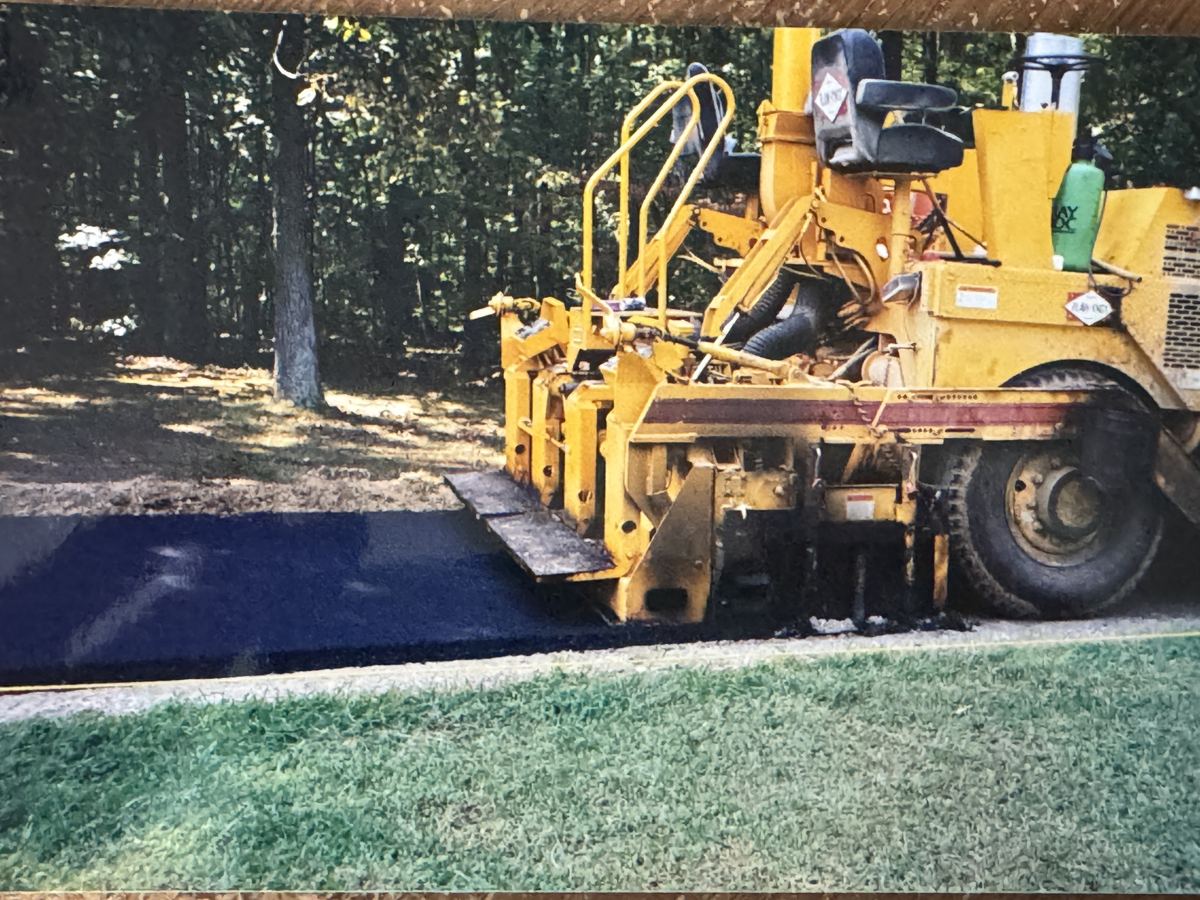
- 1998The cart paths, once dirt and then gravel, are paved.
- 2023Pat Carey passes away, and Dave becomes the sole owner.
- 2025David Patrick passes away in June, and Dave in October. Diane Daniels takes over ownership.
- 2026The family decides to sell. The last public rounds are played on October 31, and the final day of member play is November 4.
Improving the course
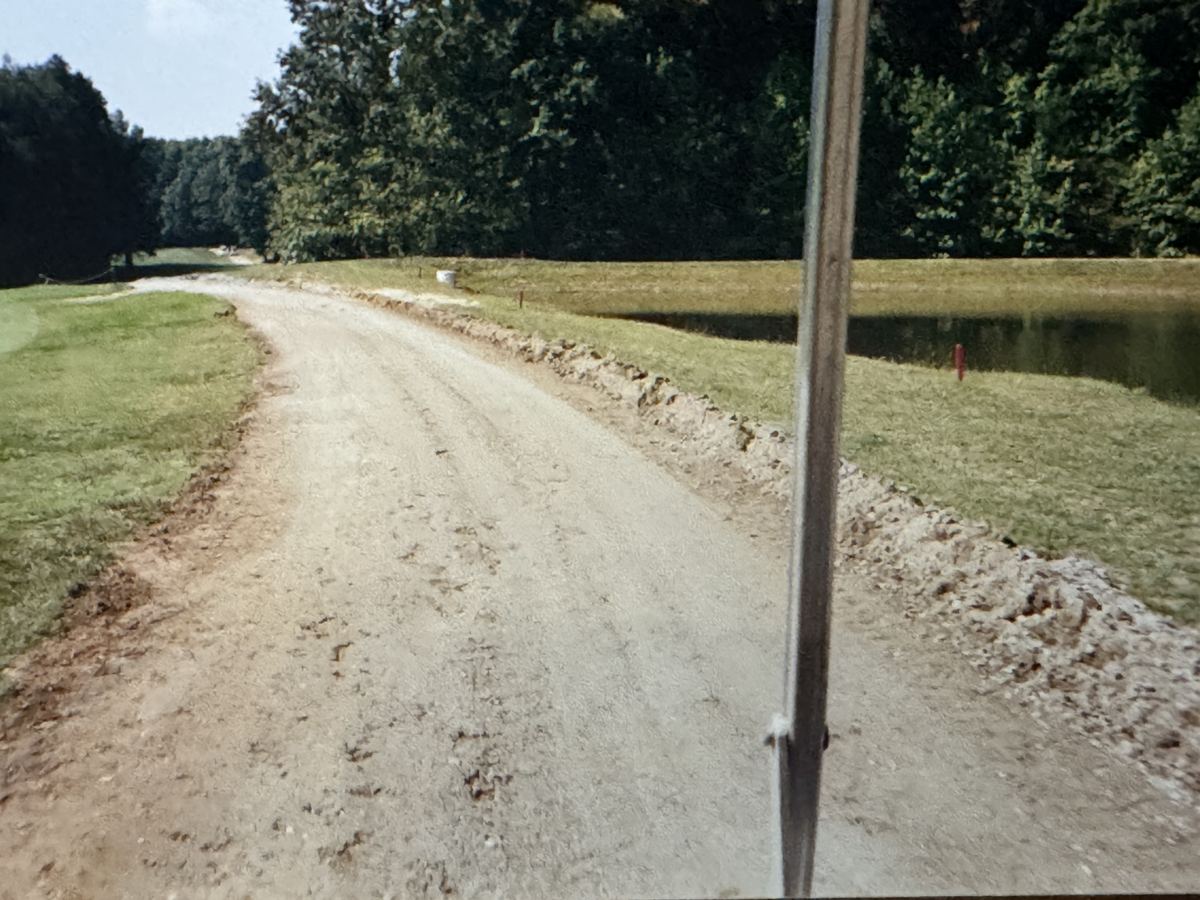
Much of the Daniels era was spent steadily improving the grounds. Dave was always pushing turf-grass innovation, starting with the move to Bermuda-grass fairways. The cart paths changed over the decades, from bare dirt in the 1980s to gravel, and finally to the paved paths finished in 1998.
Lake Randolph
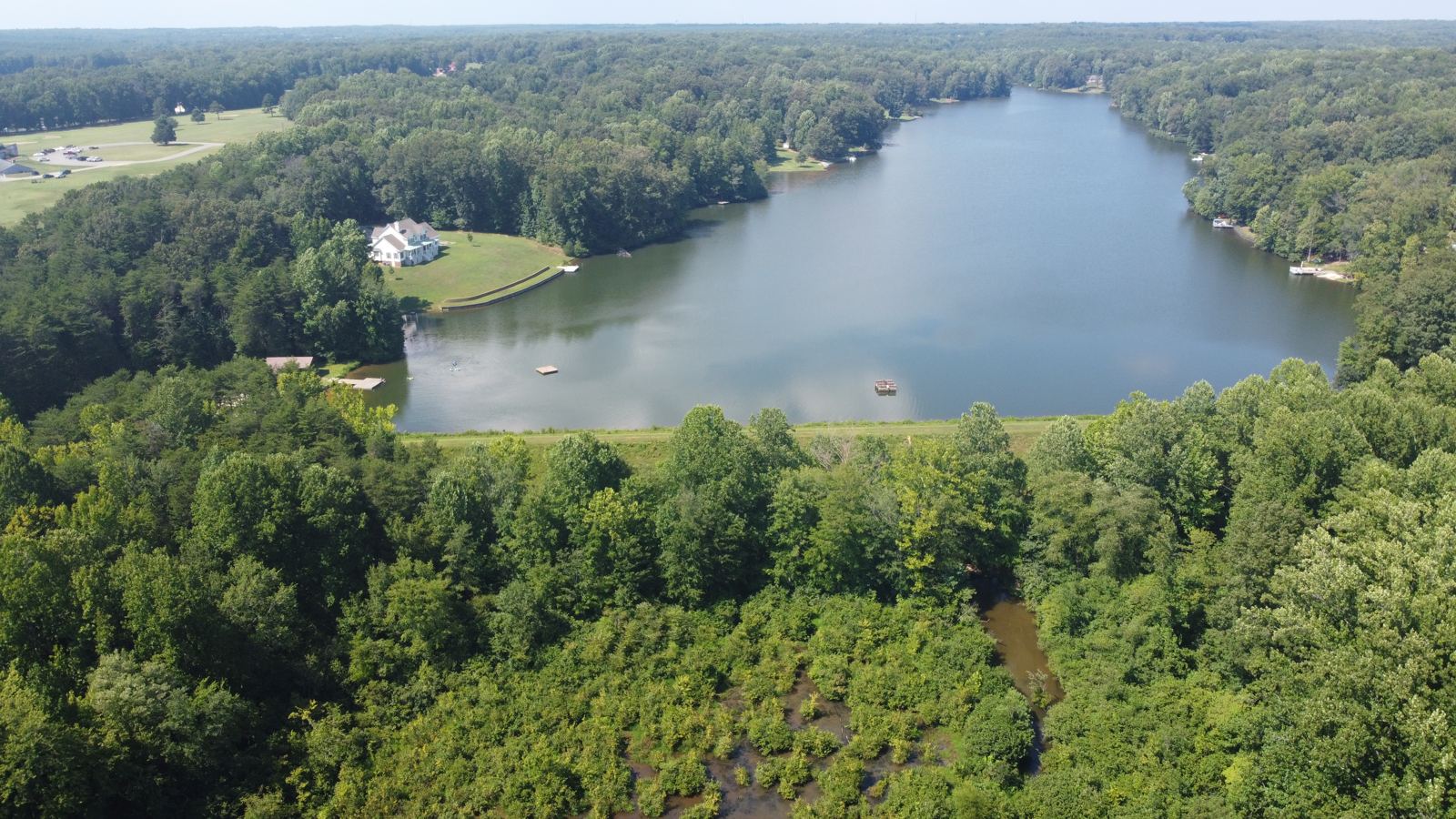
Lake Randolph covers about 90 acres. It was built in the 1970s along with the course and the surrounding neighborhood, and under the land’s deed the golf course holds the water rights, which kept Ault’s fairways and big greens irrigated.
Before the golf course
The course sits on land first granted in 1724, when the colonial government at Williamsburg issued a patent of roughly 7,000 acres to the Randolph family. Large estates like this were run in sections called “quarters.” This one was built around a mill on the local creeks, which is how the name Mill Quarter came to stay on the map. In 1831 the Randolphs sold this section to Hillary Harris, a Powhatan magistrate. A walled Harris family cemetery still stands on the grounds.
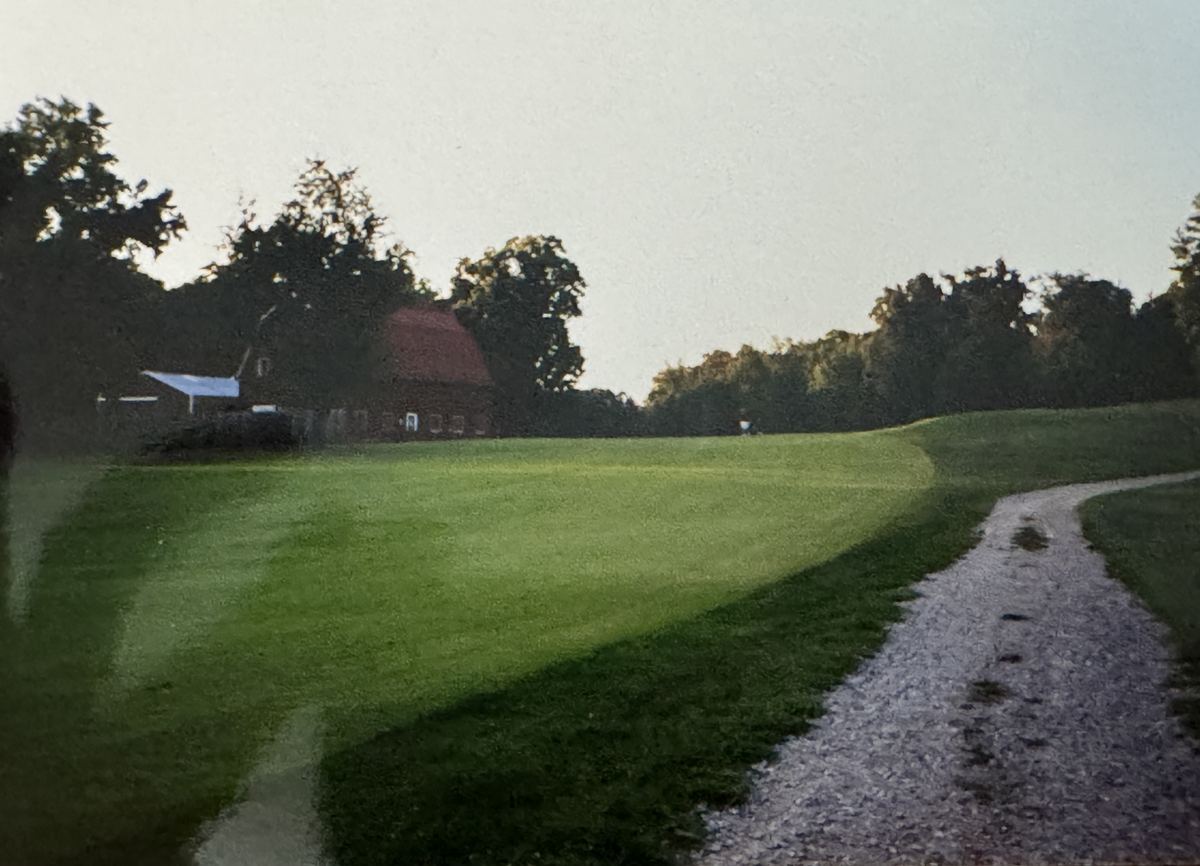
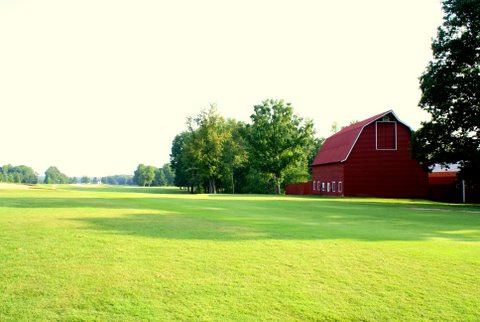
The red barn beside the 17th hole belonged to the original plantation. It was the course’s namesake and was firmly out of bounds.
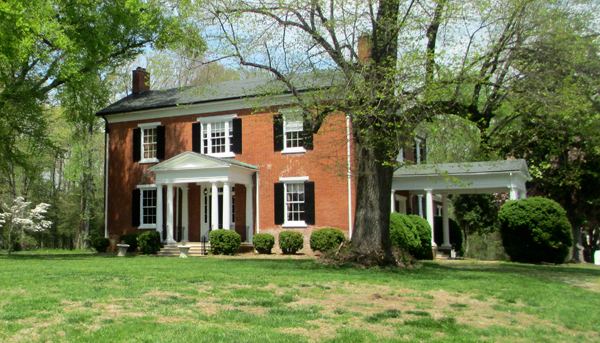
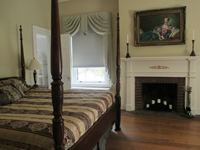
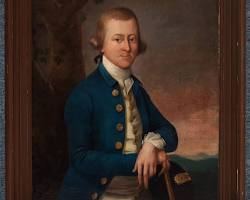
The manor house dates to around 1770, when Peyton Randolph of Wilton, an aide to the Marquis de Lafayette, built it as Fighting Creek Plantation. Fighting Creek is the same stream that runs along the 3rd hole. The house still stands, privately owned, on about 21 acres overlooking the course.